WTF Is Matcha, Anyways?
A slightly unhinged investigation into why everyone suddenly drinks green dust.

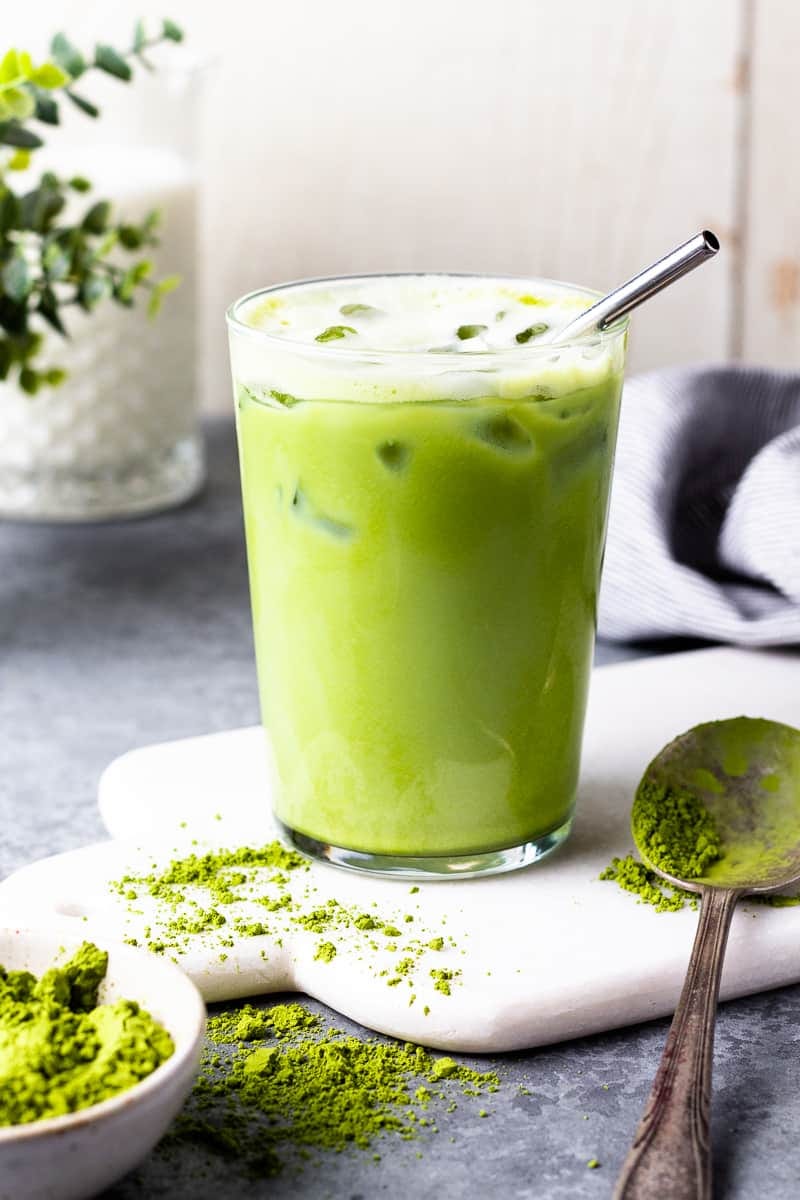
2025 has been the year of the most random, unexplained trends: the glorification of two numbers (6–7), Olivia Dean taking over everyone’s algorithm, and YNs trading in their Chrome Heart jeans for quarter-zip sweaters and grande matchas.
Now, I can understand a tall frappe with caramel drizzle; I lived that life. And as a now-mature coffee drinker (thanks to my husband upgrading my lifestyle via his career), I can proudly say my Starbucks era is well behind me.
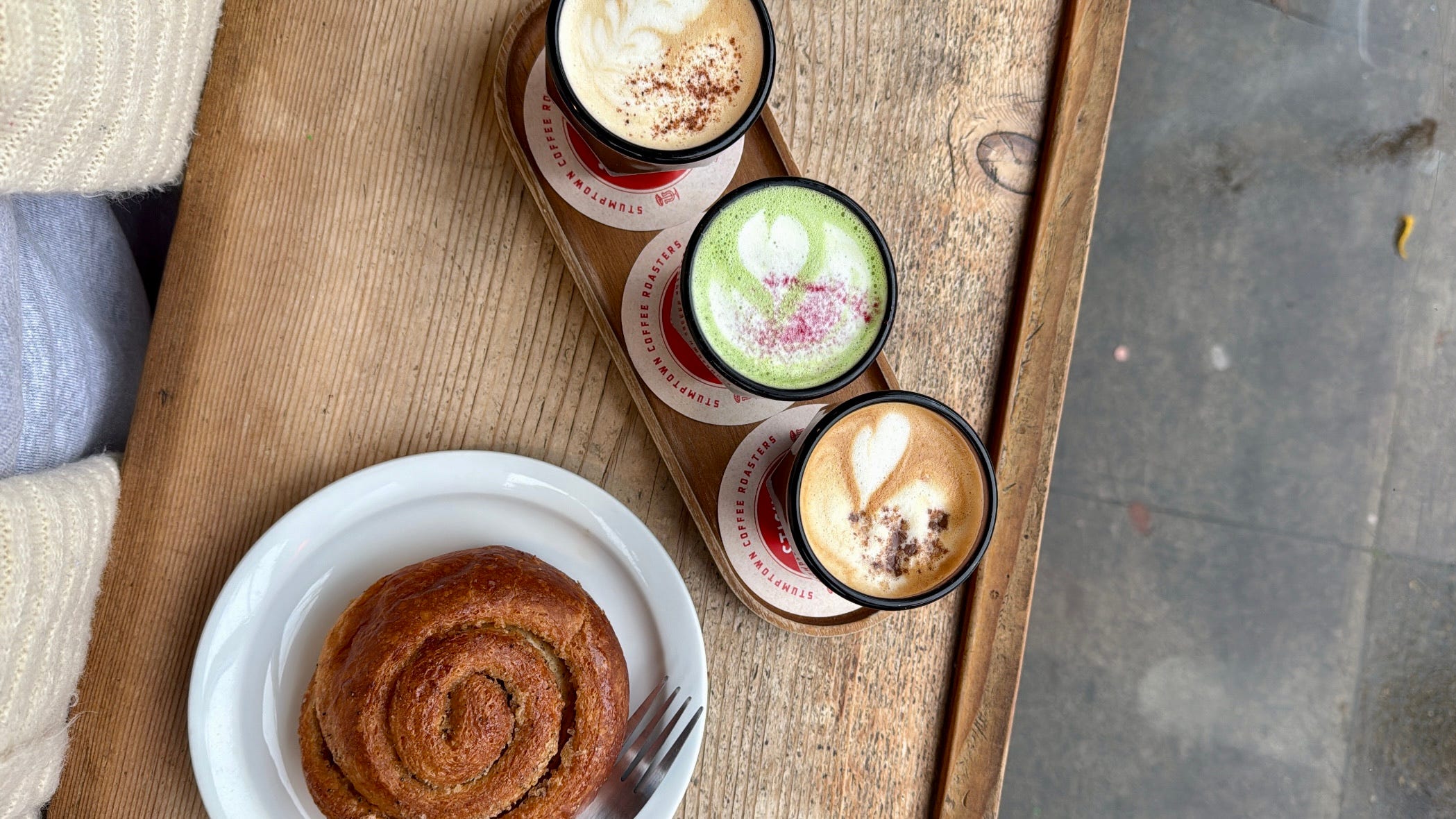
As the wife of a coffee professional, I’ve tasted some of the rarest beans in the country. I’ve sat through cuppings so odd I had to keep my humor on standby. I’ve tried every syrup from pandan to cascara. This morning, I almost fell in love with a mezcal latte, but the café wasn’t open… so we headed to the original Stumptown Coffee Roasters in Portland, OR, where I shockingly fell in love with a mint matcha.
Which brings me to the real question at hand: WHAT THE FK is the big deal about matcha?!** Is it because it’s green? Because if that’s the reason, I can name 100 things that come in green, and matcha is absolutely not on that list. Let’s be serious. It tastes like cardboard-coated seaweed, and its chalky dust sits on your tongue like a dog scratching an itch it can’t reach.
There’s just no saving it. Shout out to Speedy from Complex for giving one of the most honest reviews of this unswallowable beverage.
Now, full transparency: if you caught me during my second pregnancy, you might see photographic evidence of an iced matcha with coconut milk and coconut syrup. But 1) I was PREGNANT and 2) I WAS PREGNANT. Anyone who has been pregnant or been bullied by a pregnant woman’s cravings knows she is not in her right mind and her stomach is technically leased out to someone else. So I’m giving myself grace. But everyone else? Nah, son. We need to address this as a community. MATCHA IS NOT GOOD.
Matcha is the sushi of teas.
Now, I won’t beat up matcha lovers too badly, that would be unprofessional journalism, right?
What would be responsible is actually explaining what matcha even is. So let’s start there.
So, What Is Matcha?
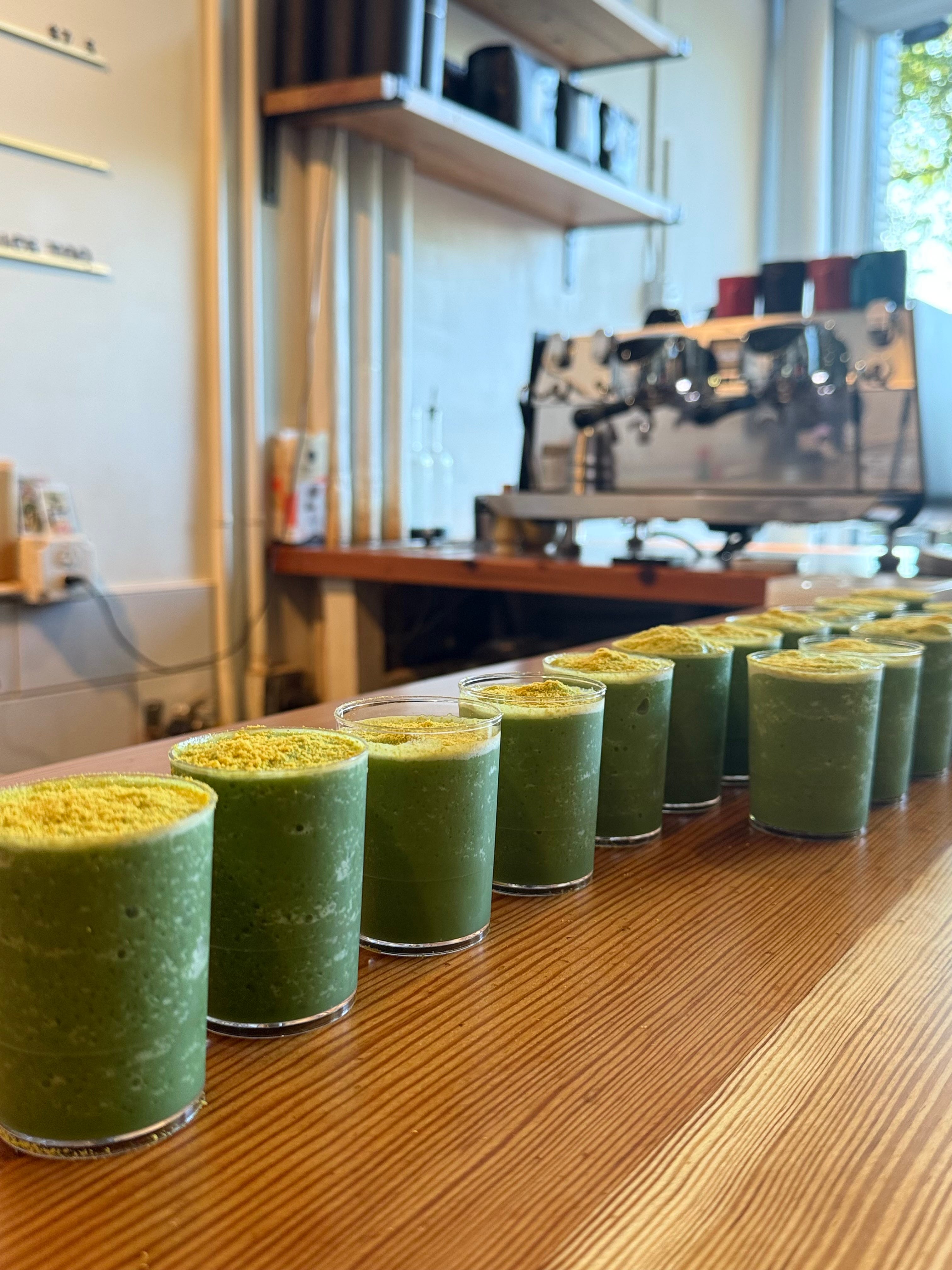
According to Google, Matcha is a vibrant green, finely powdered tea made from shade-grown green tea leaves that are stone-ground for a concentrated, vegetal, slightly sweet flavor with high antioxidants and a calm energy boost from L-theanine.
Cool. Cute. Science.
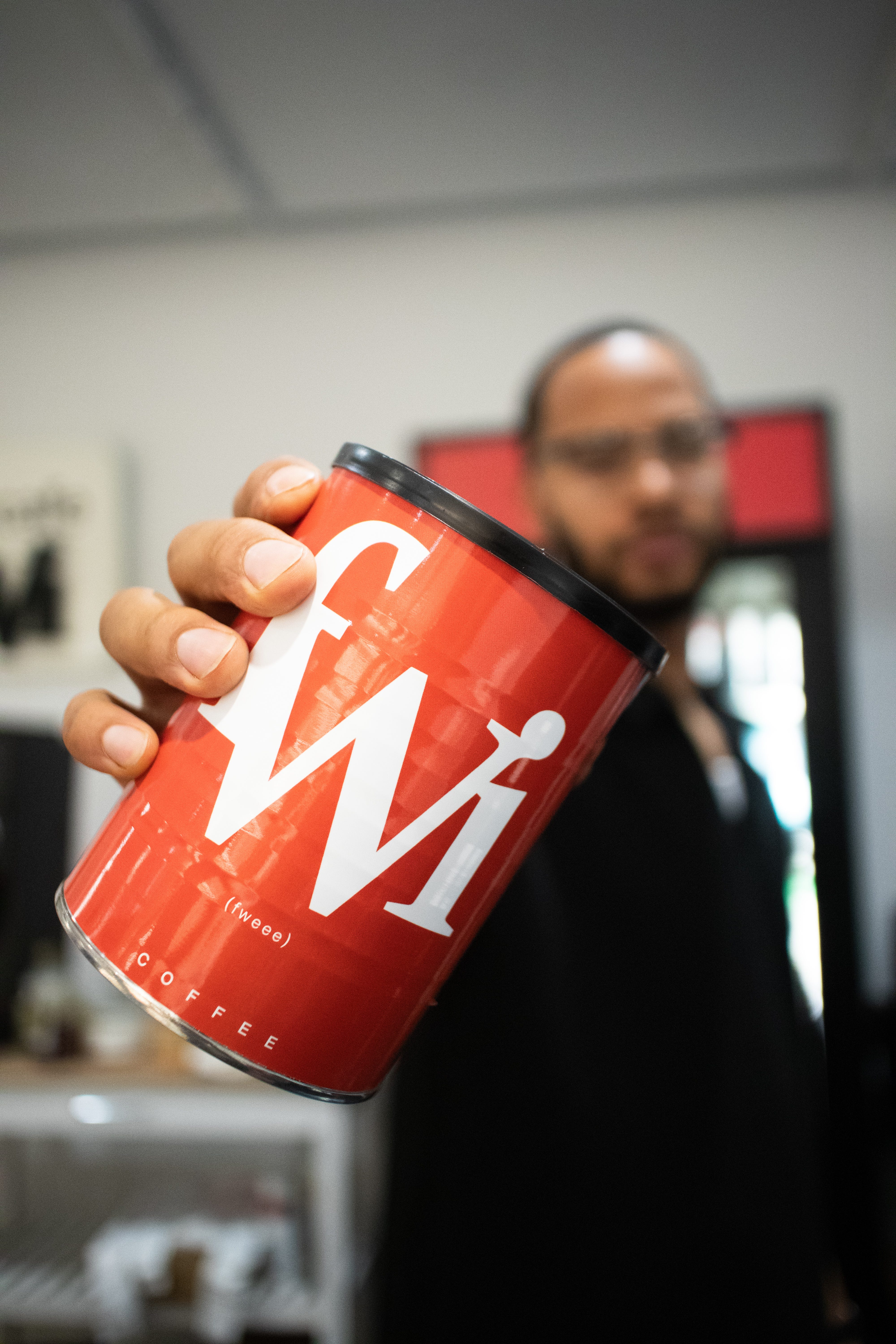
But I wanted something real. So I sat down with a coffee savant: DiVance Walker, owner of the former Café FWI in Atlanta, now based in Portland, OR. With nearly a decade of experience in roasting, flavor profiling, and training, DiVance broke matcha down in plain-people terms.
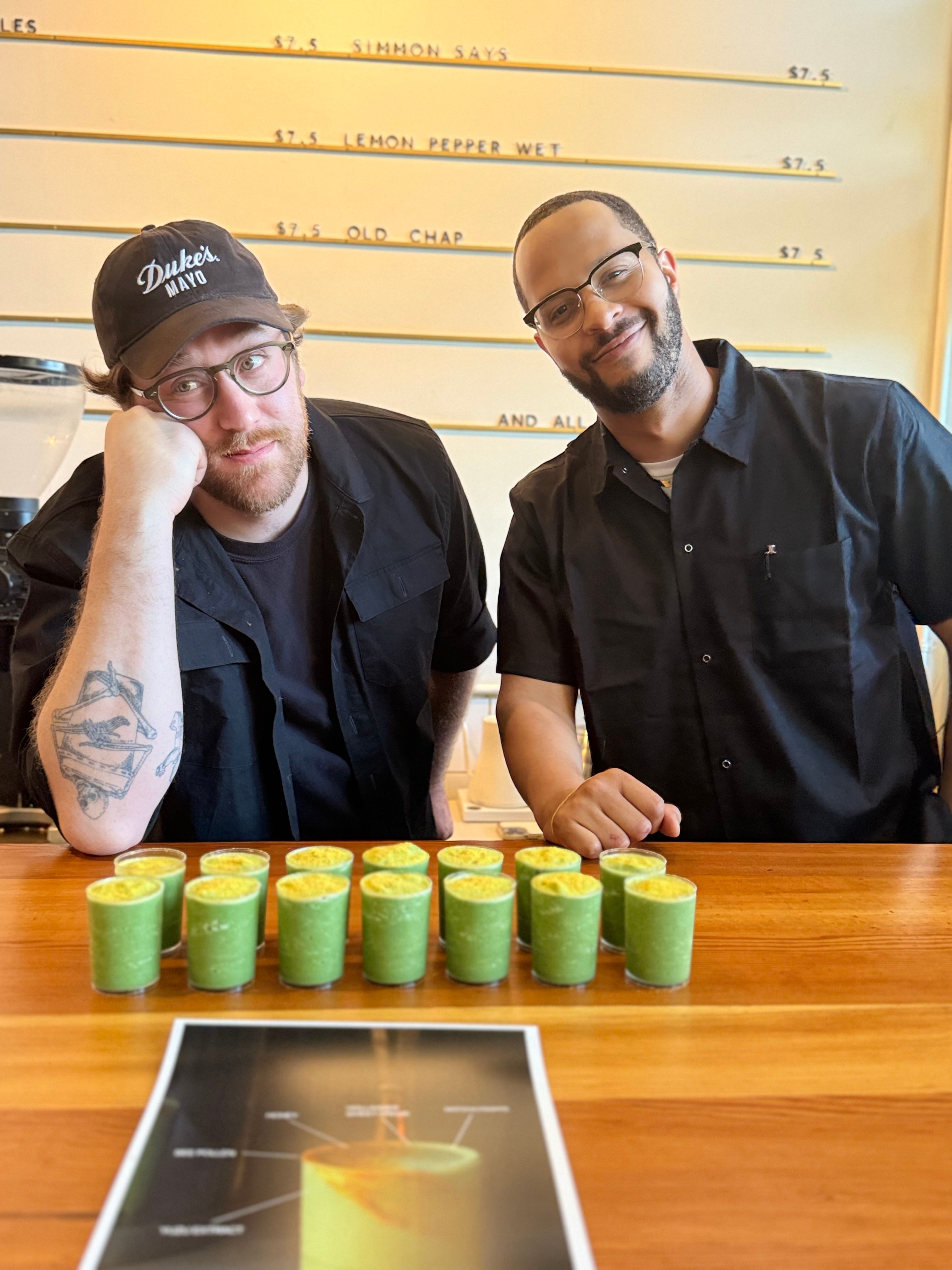
Ladies and gentlemen, DiVance:
Kia: So give it to me straight … what is matcha?
DiVance: Matcha is the Japanese word for green tea. It’s ground and finely dried green tea. The whole concept comes from Japan. Basically, it’s Japanese green tea powder.
Kia: How do you make it taste better?
DiVance: Long story short? Add sugar. Green tea tends to be a little bitter because heat activates the antioxidants. Keep your water between 150–175° when you brew it, and mix it with different flavors to offset the bitterness.
Kia: For the people trying to save a coin, how can they make this at home?
DiVance: You can find matcha at your local grocery store — Jade Leaf is a common brand — or on Amazon. Some are sweetened, some unsweetened. Some come with milk powder, others you add milk yourself. You can also buy pre-bottled matcha and just pour it over ice.
Kia: Why are people drinking this?
DiVance: It’s a coffee alternative. Matcha is caffeinated, so if someone doesn’t drink coffee, they can still get that boost. The antioxidants are good for the blood and can give you vitality.
Kia: And what do quarter-zip sweaters have to do with matcha?
DiVance: Absolutely nothing.
Learn more about our coffee shop, Cafe Fwi, here!